Start from a ready-made scene
Choose the layout, send the photograph, and the settled art direction does the rest. One photograph, a finished page.
You used to write prompts by hand. Templates skip all of that — pick a card below, upload your photo and get the same scene in one click.
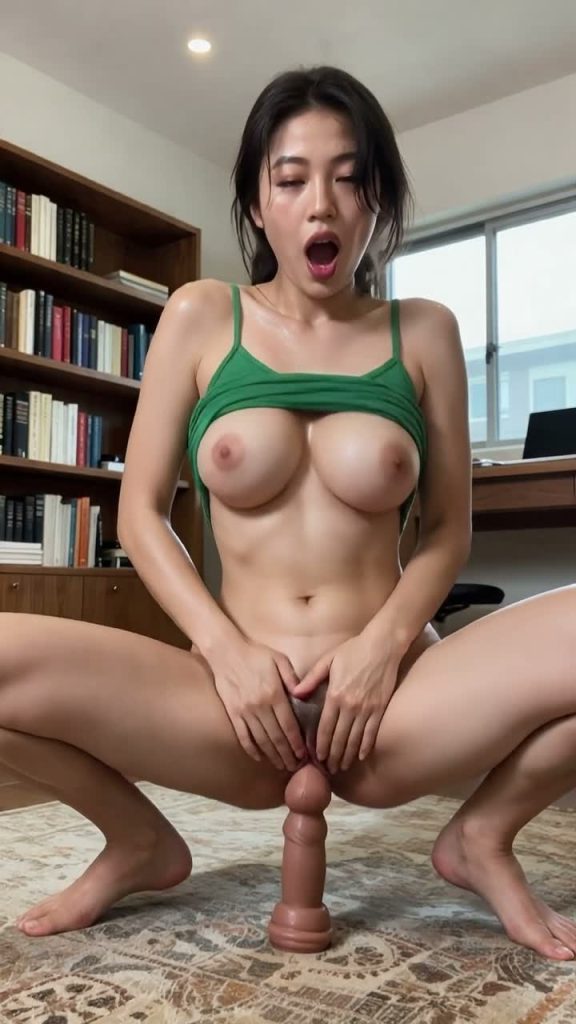
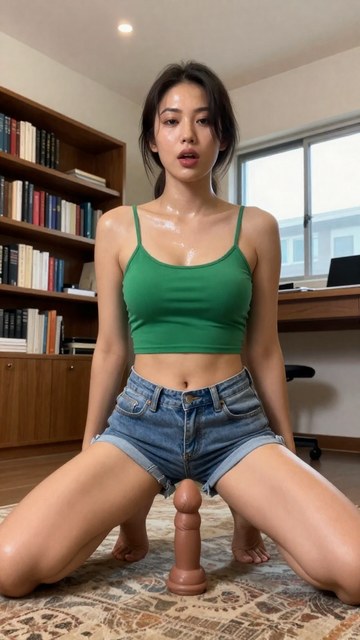 NEW 5s
⚡ Generate
Ride That Dildo (HD)
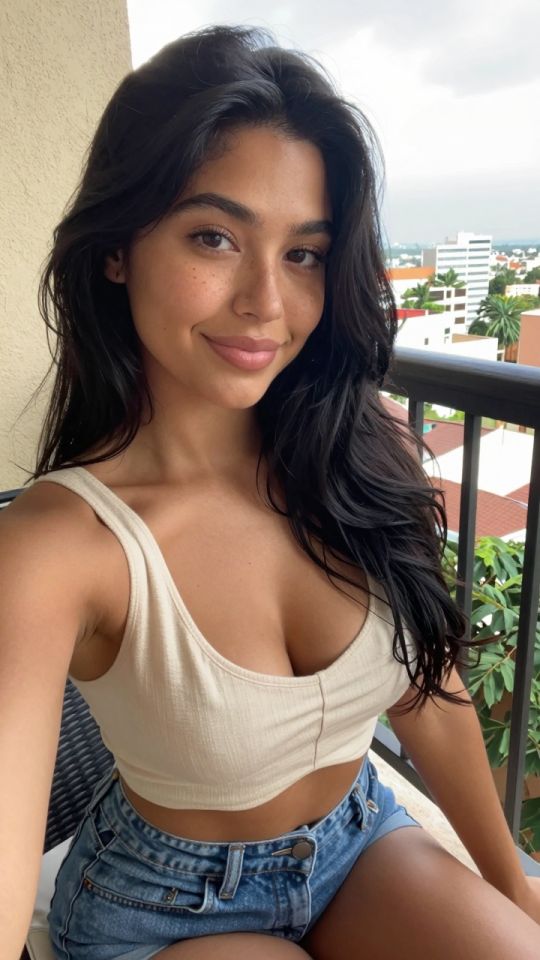
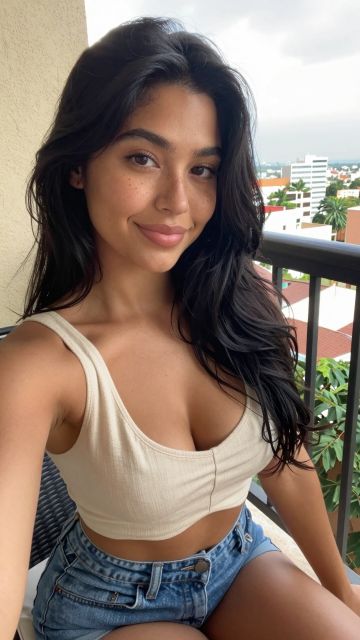 NEW 5s
⚡ Generate
Cowgirl, Bouncing Tits
 NEW 5s
⚡ Generate
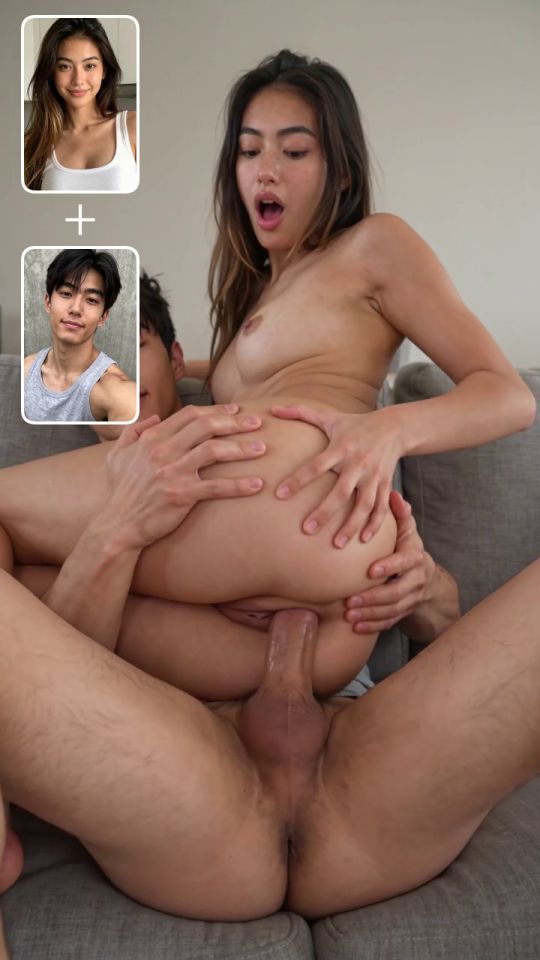
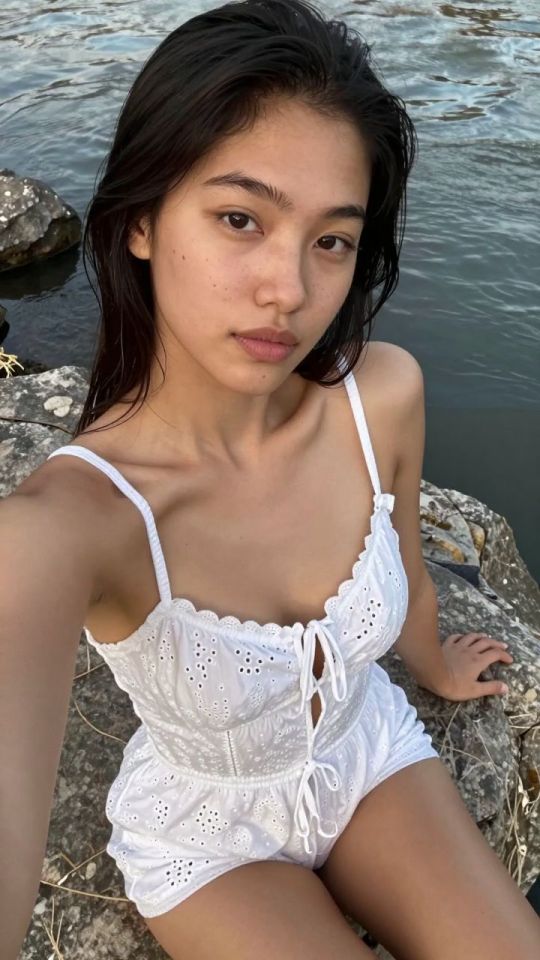
Sideways Couch Fuck
 IMAGE
⚡ Generate
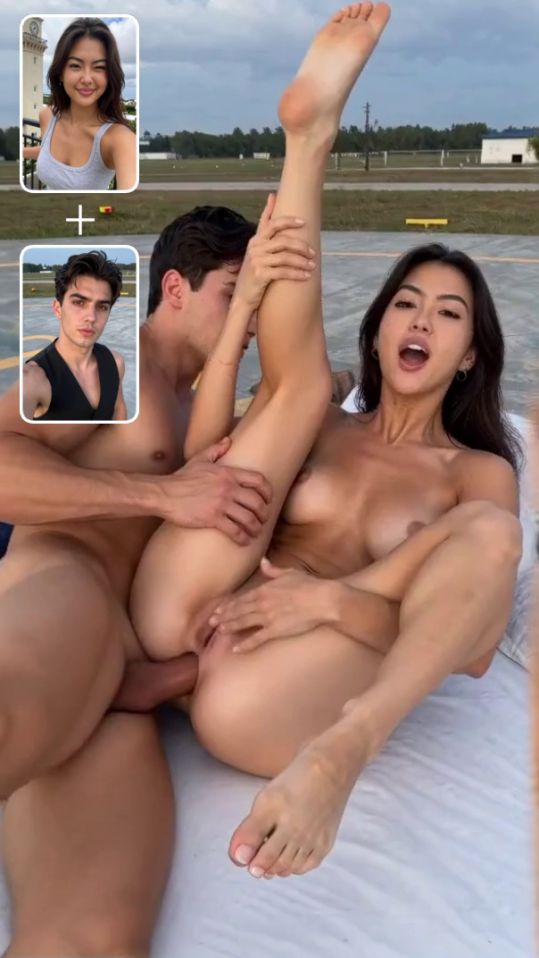
Caught Naked
 5s
⚡ Generate
Anal, Leg Up
 IMAGE
⚡ Generate
Fingers on Her Pussy
 IMAGE
⚡ Generate
She Shows Her Tits
 5s
⚡ Generate
He Jerks, Cum in Mouth
 NEW 5s
⚡ Generate
She Rides Reverse, Looks Back
 NEW IMAGE
⚡ Generate
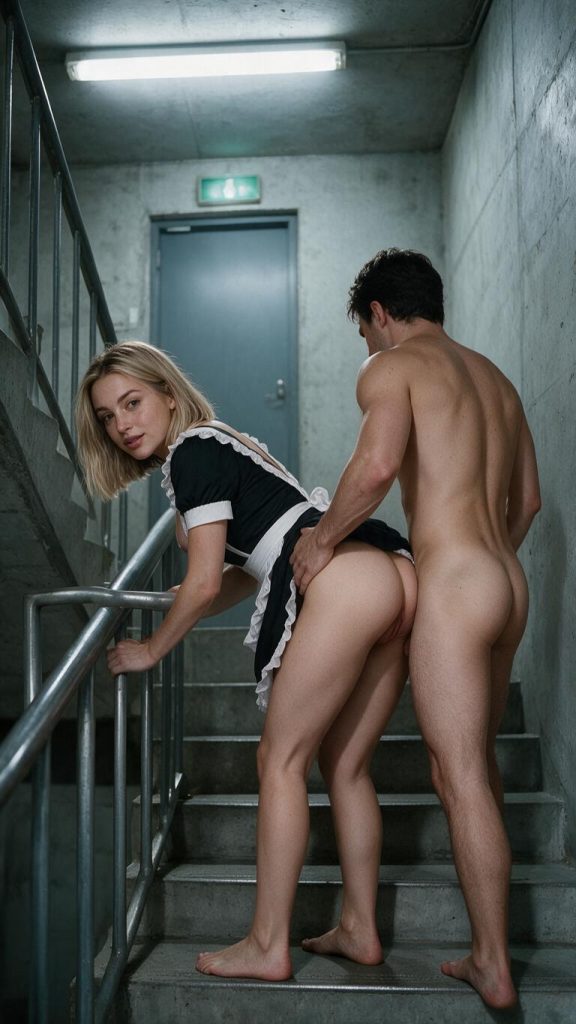
Discreet Maid Stair Sex
 NEW IMAGE
⚡ Generate
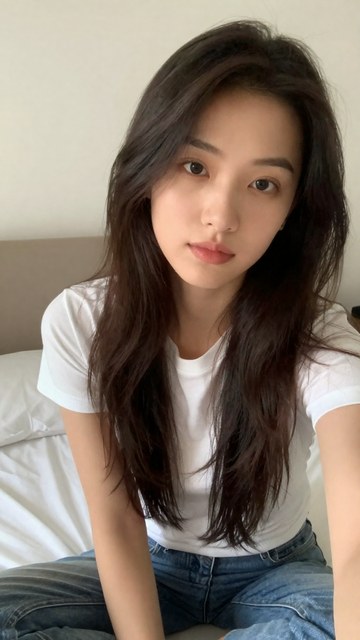
She Poses for Selfie
 NEW IMAGE
⚡ Generate
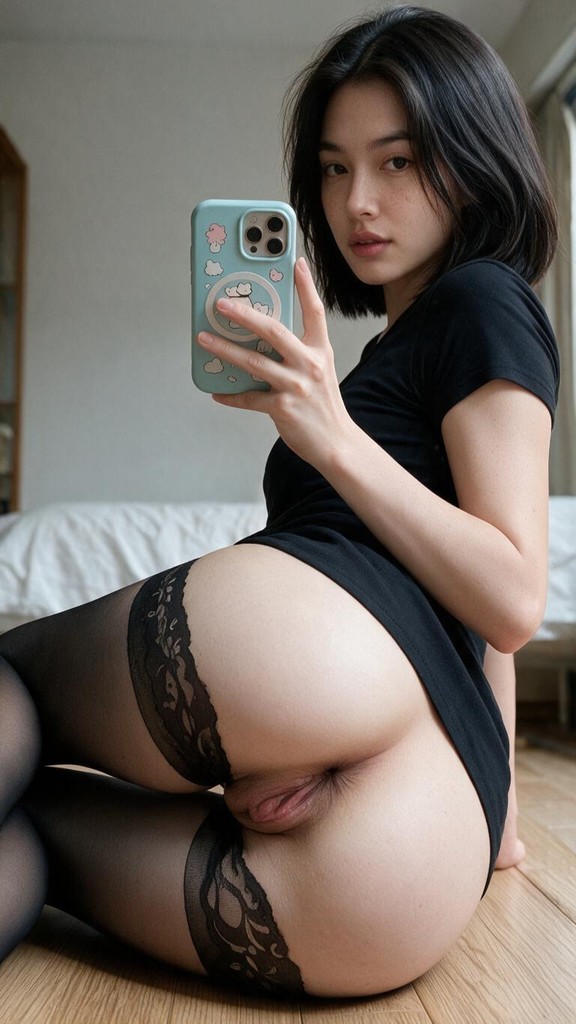
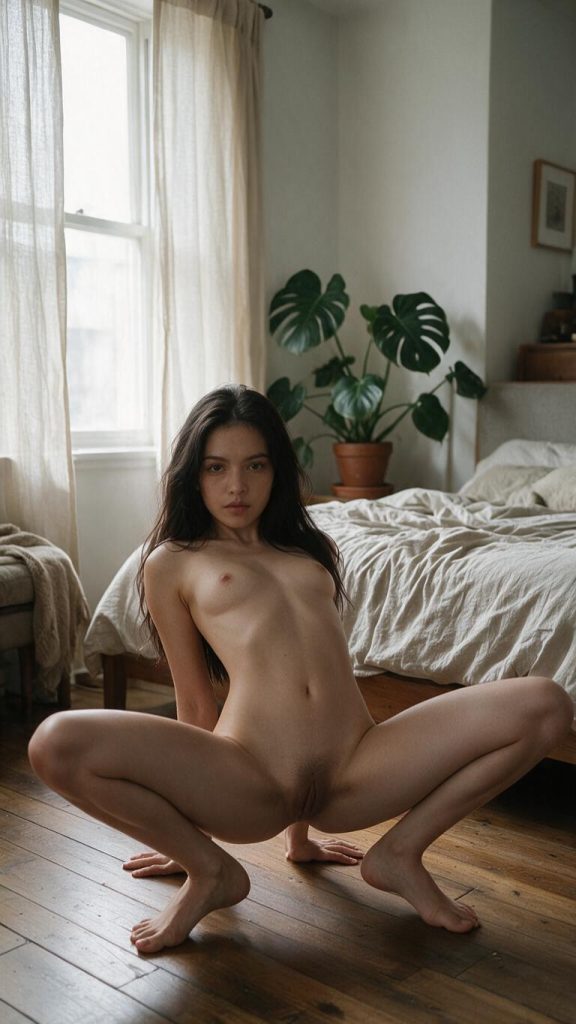
Squatting, Legs Spread
The moving-picture department
Video generator: manuscripts and photographs, in motion
A still scene is a photograph; a moving one is a short film. The video generator turns a sentence or a single photograph into a five-second adult moving picture with sitter and camera in motion, at three resolutions. This is the department where scripts are shot: you write the movement, the engine performs it.
You may begin from nothing — describe the scene in words — or from a frame that already exists: a page composed here, or a photograph of your own. Either way, the panel prints the exact price of the resolution and length you chose before you approve, and a printing that fails is refunded automatically.
Text or photograph: two doors into the same department
Text-to-video, from 238 credits at 480p, is the freer door: describe the sitter, the place and the movement, and the whole scene is composed from nothing. Photograph-to-video, from 357 credits at 480p, is the more faithful door: the first frame is already the one you approved, and the engine decides only how it moves. If a correct page exists — composed at the image desk or chosen from a layout — the photograph door protects casting and composition; if the story begins as an idea, the text door explores faster. Most directors approve a still as a standard proof first, then buy the movement.
Three resolutions, and when each is correct
480p is the proof resolution: inexpensive, quick to read, right for checking that the movement performs. 720p is the working resolution for most readers: sharp on telephone and laptop at a sane price — 476 credits from text, 713 from a photograph. 1080p is the archive resolution: 951 from text, 1,426 from a photograph, reserved for approved pictures kept at the highest quality. The house rule: proof at 480p, produce at 720p, archive at 1080p alone.
Writing movement: verbs carry the scene
In moving pictures a brief behaves differently than in stills: the words that work are verbs. “Turns slowly toward the camera”, “walks to the window”, “the camera comes closer” are instructions the engine can perform; “beautiful, alluring, irresistible” are reviews — they move nothing. Give a short picture one principal gesture: five seconds is a single breath, not a short story, and one clear gesture always reads better than three piled together. If you also want the camera to move, add it as a short second instruction: closer, back, drifting slowly sideways.
The first frame decides the picture
Beginning from a photograph, the picture inherits everything in it: casting, dress, light, composition. Choose frames where the sitter is full or half length, with room in the direction of the movement: if the pose opens to the right, leave air on the right. Cramped photographs, or limbs already touching the frame’s edge, oblige the engine to guess what lies beyond it — and defects are born precisely there. Vertical pages composed in this studio have clean margins and are almost always the best opening frame.
Why five seconds is the right length
Five seconds sounds brief until it is watched in a loop: it is the duration of one complete gesture, of a gaze rising, of a camera crossing a small room. Short pictures are rewatched, shared, and edited into serials; above all they are inexpensive enough to permit the director’s method — shoot several, publish the best. For a longer story, compose a sequence of pictures with the same heroine and the same light and edit them in order: continuity is born of descriptive discipline, not of one endless printing.
What this department does
Two entrances
From a sentence or from a still: freedom while exploring, fidelity when the frame already exists.
Three resolutions
480p to proof, 720p to produce, 1080p to archive. The same picture, at the finish the occasion deserves.
Directed movement
The sitter’s movement and the camera’s are both yours to brief, in plain verbs.
Clean pictures
No watermark, no colophon burned in: the file is yours from the first frame.
Four steps to a short picture
-
Choose the door
Text when the scene exists only in your head. A photograph when the right frame already exists.
-
Write the movement
Describe one principal gesture in verbs. Add a short camera note if you wish one.
-
Choose resolution and length
480p for proofs, 720p or 1080p for publication. The price is printed before the printing.
-
File the picture
The finished piece rests in your archive: download it, enlarge it, or continue the serial.
Directing for the loop
Almost every picture made here will be watched as a loop, and loops reward a particular kind of direction: a gesture that begins and ends near the same place. A gaze that rises and settles. A turn that completes itself. A camera that advances and breathes back. When the last frame rhymes with the first, the seam disappears and the picture feels endless; when it does not, the viewer feels the join every five seconds.
Experienced directors therefore brief the return journey, not only the departure: “she turns to the window and back”, “the camera drifts closer, then rests”. The engine performs the whole sentence. A brief that spends its five seconds arriving somewhere it cannot leave yields one good viewing; a brief that comes home yields a hundred.
Made without sound, these pictures are carried entirely by silhouette and timing — which is why one gesture, fully performed, outweighs a pantomime of three. Decide which gesture the scene exists for, clear space around it, and trust the loop with the rest.
Prices, printed in the open
What it costs to shoot moving pictures here
| Mode | Credits | When to choose it |
|---|---|---|
| Text to picture, 480p · 5s | 238 | The most affordable picture: a sentence, in motion |
| Text to picture, 720p · 5s | 476 | The working resolution for most directors |
| Photograph to picture, 480p · 5s | 357 | Motion added to a frame you already trust |
| Photograph to picture, 720p · 5s | 713 | An approved frame, produced properly |
| Photograph to picture, 1080p · 5s | 1,426 | The archive edition at full quality |
Rates checked in November 2026: no subscription, every pack bought once. Longer pictures scale with duration, and the exact price of the combination you chose is always printed before you approve. Printings that fail are refunded automatically.
Privacy in this department
A photograph sent as an opening frame serves that single printing and is destroyed immediately after. Pictures you produce rest privately in your archive, visible to you alone, and are never published without your decision. Source material is never reused inside another reader’s page, and nothing made here is exhibited anywhere by default.
Questions and answers
Letters from our readers
Should my first picture begin from text or from a photograph?
If the right still exists, the photograph door protects it. If not, approve a still at the image desk first — the cheapest way to control casting and composition.
Why does 720p cost roughly twice 480p?
Every frame is composed at the chosen resolution: more pixels per frame, more work per second. The difference buys visible sharpness on larger screens.
Can pictures run longer than five seconds?
The panel offers longer durations at the higher resolutions; the price scales with length and is printed before you approve. Many directors prefer chaining five-second pictures into a serial.
Does the picture keep the face from my photograph?
Yes — the photograph door holds the first frame’s casting constant; that is its principal advantage over the text door.
What if the movement disappoints?
Printing failures refund automatically. If the movement is merely not the one you wanted, shorten the brief to a single gesture and re-proof at 480p.
Are pictures watermarked?
None. Finished pictures arrive clean and rest privately in your archive until you share them.
What will this department never shoot?
Minors, real people without consent, and unlawful material are refused at the brief stage.
Give the still page its pulse
Choose a frame you trust, write one clear gesture, and proof it at 480p: the cheapest screening room in the studio is open above.