Pick a template — skip the prompt writing
Choose the layout, send the photograph, and the settled art direction does the rest. One photograph, a finished page.
You used to write prompts by hand. Templates skip all of that — pick a card below, upload your photo and get the same scene in one click.
 NEW IMAGE
⚡ Generate
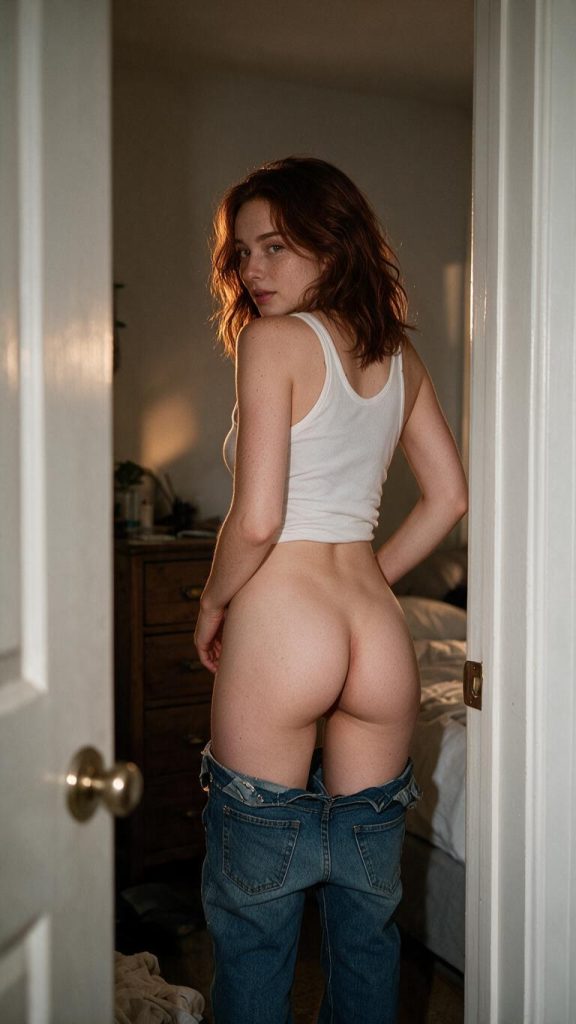
Caught Changing, Door Ajar
 NEW IMAGE
⚡ Generate
Ass Up, Licks the Tip

 5s
⚡ Generate
Gaming and Sucking Cock
 IMAGE
⚡ Generate
Fucked in a Sex Swing

 IMAGE
⚡ Generate
Caught Naked

 NEW IMAGE
⚡ Generate
Side-Lying Seduction
 NEW 5s
⚡ Generate
She Rides Reverse, Looks Back

 5s
⚡ Generate
She Rides His Cock
 NEW IMAGE
⚡ Generate
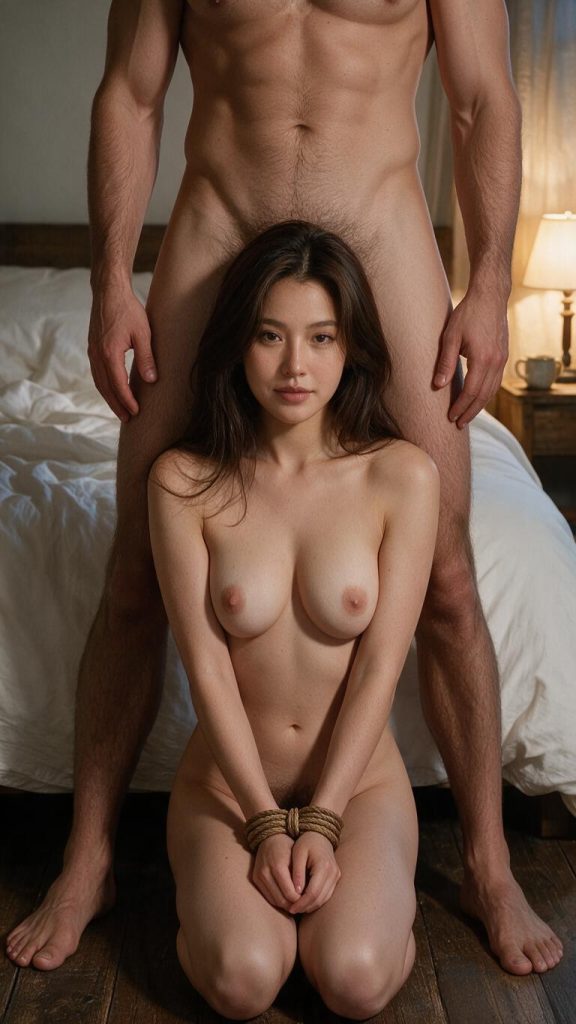
Bound, Facefuck

 NEW IMAGE
⚡ Generate
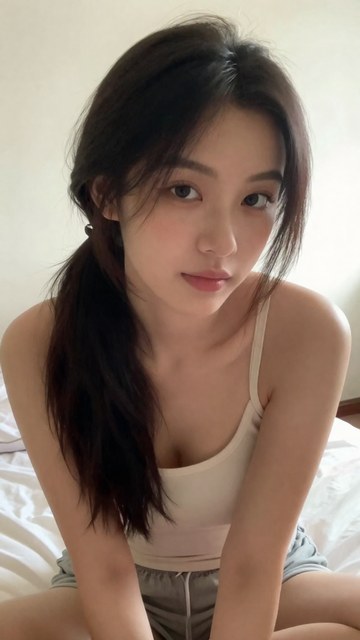
Deep Blowjob
 5s
⚡ Generate
Extend Clip Dance

 NEW 5s
⚡ Generate
Cowgirl, Bouncing Tits
The casting department
Photo face swap: a new face, everything else as printed
Send a target photograph and a face photograph, and this department places the face upon the target — pose, dress, setting and light remaining exactly as printed. A true casting changes one thing only: who the sitter is. One casting costs 26 credits, and the result is a single coherent photograph, not a collage.
The engine does more than place: it re-lights the incoming face to match the target’s scene, matches skin tone and grain, and rebuilds the hairline and jaw transitions until the join disappears. What you commissioned — “the same page, a different heroine” — is what returns.
The two photographs, and what each decides
The target photograph decides everything except the casting: the body, the pose, the dress, the room, the light. The face photograph decides who the sitter becomes — and therefore carries the whole responsibility for the result. Choose a face photograph that is sharp, front-facing or near it, evenly lit, with the hair off the forehead and no sunglasses or heavy shadow. A face photographed at roughly the target’s angle casts cleanest; the engine can turn a face, but every degree of turn costs a little likeness.
Likeness lives in the source
Readers sometimes blame the engine for a casting that looks “not quite like her”, when the cause sits in the face photograph: a beauty filter had already smoothed the features the engine needed to recognize. Use unfiltered photographs. The same applies to size — a face that occupies forty pixels in the source cannot occupy four hundred in the result. Give the desk a face worth casting and it returns a person, not an approximation.
One face, an entire serial
Because the swap preserves everything but the casting, it is the natural instrument of serial fiction: one strong set of scenes, one consistent heroine across all of them. Cast the same face photograph into a dozen targets and the dozen read as one sitting. Editors pair this desk with the image generator — scenes are composed without regard to the model’s face, then the serial’s heroine is cast at the end, page by page, at 26 credits each.
What a casting is not
It is not a body edit: build, dress and pose arrive from the target and remain. It is not a beautifier: the face arrives with the features the face photograph holds. And it is never an instrument for real people without consent — casting the face of a real, identifiable person into adult scenes without their permission is prohibited here, without exception; this desk exists for fictional heroines and your own material.
What this department does
Re-lit, not pasted
The incoming face is re-lit, re-grained and tone-matched to the target’s scene.
The scene preserved
Pose, dress, setting and light are inherited from the target, untouched.
Serial-ready
One face photograph across many targets reads as one consistent sitting.
Uploads destroyed
Both source photographs are destroyed after the casting, every time.
Four steps to a recast page
-
Send the target
The photograph whose scene you keep: body, pose, dress and light all come from here.
-
Send the face
A sharp, evenly lit face photograph, as front-facing as you can manage.
-
Approve 26 credits
The price is printed before the casting runs; failures refund automatically.
-
File the portrait
One coherent page in your archive: new heroine, original scene.
Casting discipline: keeping a face library
Serious serial work begins with a face library: three to five approved face photographs of the same heroine — front, three-quarter left, three-quarter right, one smiling, one composed — all unfiltered, all evenly lit, all at honest size. With such a library, every target angle has a matching source, and castings cease to be lotteries.
Build the library once, at leisure, rather than hunting for a usable face under deadline. If your heroine is composed here, produce the library at the image desk in a single sitting, so the light and the lens agree across the set. If the heroine is yourself, a telephone, a window and ten unhurried minutes surpass any filtered studio portrait.
Name the files as a casting director would: heroine, angle, expression. Six months from now, with the serial at its fortieth page, the library is the difference between a heroine who is recognizably herself in every feature and a stranger who keeps almost resembling her.
The casting director’s test: three questions before you send
Question one: could this face photograph sit for a portrait? If the face is small, turned, filtered or half in shadow, it is not a casting photograph, whatever its charms as a snapshot. The test is not vanity but information: the engine casts from features, and features are what a portrait photograph holds.
Question two: does the target deserve the casting? A recast page inherits everything about the target except the face — a weak composition stays weak with a better heroine. Cast into your strongest pages; the desk’s 26 credits buy a new sitter, not a new scene, and the scenes readers remember are the ones that were already composed well.
Question three: is the casting permitted? A fictional heroine, your own face, a consenting sitter — proceed. Anyone else’s face, however public its owner, does not become yours by being downloadable. The desk refuses such castings as a matter of house policy, and the question costs three seconds to ask honestly.
Prices, printed in the open
What it costs to recast a page
| Mode | Credits | When to choose it |
|---|---|---|
| One photograph casting | 26 | A new heroine in a still page |
| A twelve-page serial | 312 | The same face cast across a complete set |
Rates checked in November 2026: no subscription, every pack bought once. The price is printed before you approve, and printings that fail are refunded automatically.
Privacy in this department
Both photographs you send serve the single casting you commissioned and are destroyed immediately after it. The result rests only in your private archive. The studio keeps no library of faces, never reuses your uploads inside another reader’s page, and prohibits castings involving real people without consent.
Questions and answers
Letters from our readers
Why does my casting look not quite like the face?
Almost always the face photograph: filters, small size, extreme angle or hard shadow. An unfiltered, front-facing, evenly lit face casts dramatically better.
Does the body change as well?
No. Body, pose, dress, setting and light all arrive from the target photograph and are preserved.
Can a face be cast into a moving picture?
Yes — the moving face swap department performs the same casting across a picture, followed frame by frame, from 31 credits.
May I use a famous face?
No. Real, identifiable people require consent; without it the casting is prohibited. This desk serves fictional heroines and your own photographs.
Are the uploads kept?
No. Both photographs serve the single casting and are destroyed after; the result rests privately in your archive.
What if the casting fails?
Printing failures refund automatically — you pay only for a finished page.
The same page, a new heroine
Take the strongest page in your archive and cast it again: the panel above swaps the face for 26 credits.