Pick a template — skip the prompt writing
Choose the layout, send the photograph, and the settled art direction does the rest. One photograph, a finished page.
You used to write prompts by hand. Templates skip all of that — pick a card below, upload your photo and get the same scene in one click.
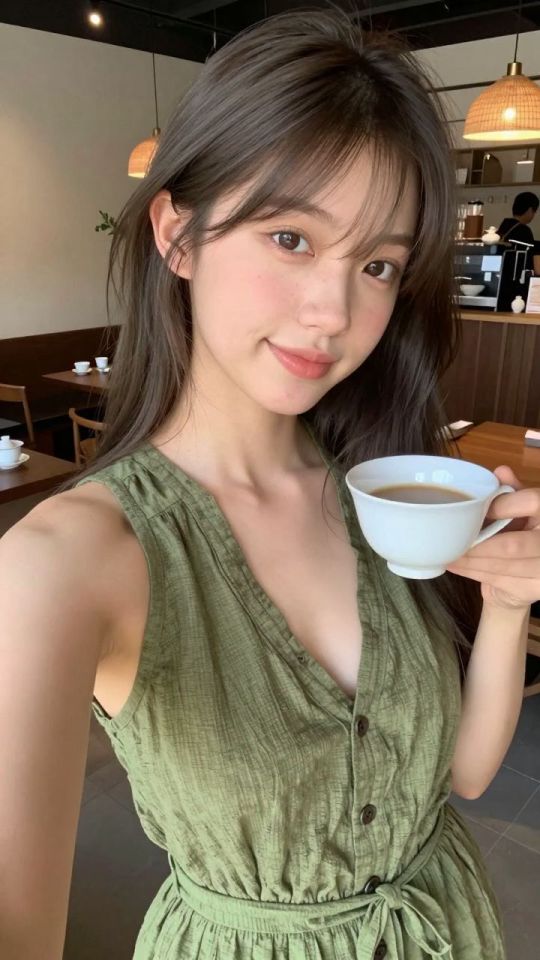
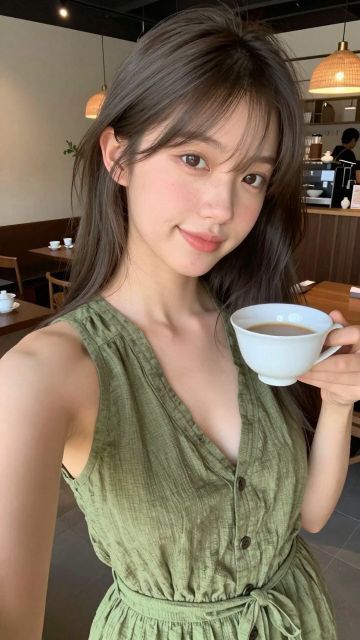 NEW IMAGE
⚡ Generate
Bent Over Cum Drip
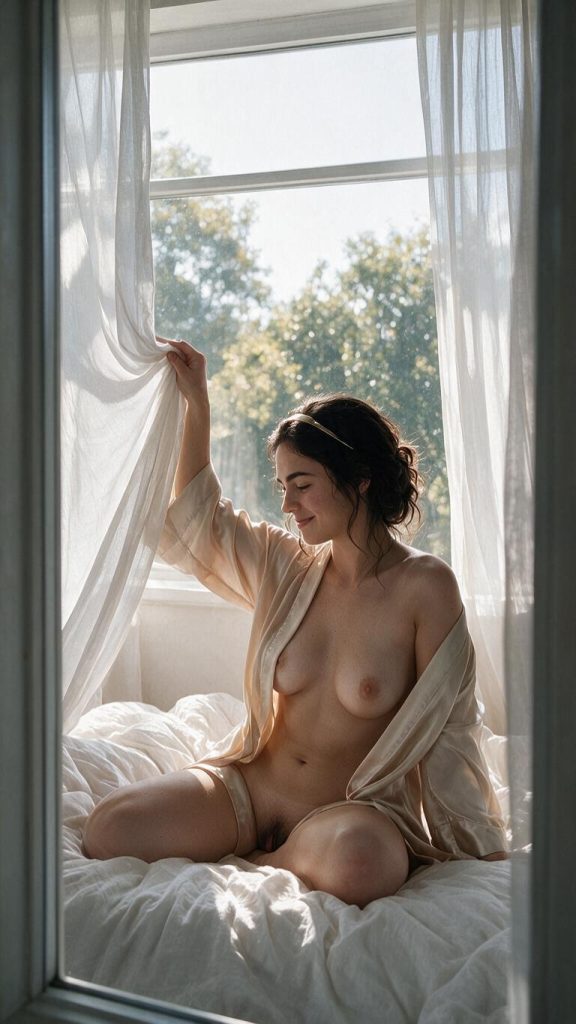
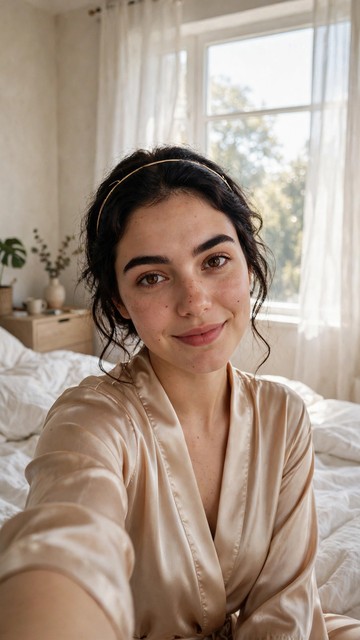 NEW IMAGE
⚡ Generate
Peeking Through the Window
 5s
⚡ Generate
Handjob Suck (Audio)
 NEW 5s
⚡ Generate
Gagged cunt
 5s
⚡ Generate
Legs Up Fuck
 NEW IMAGE
⚡ Generate
Cock Out, Staring at You
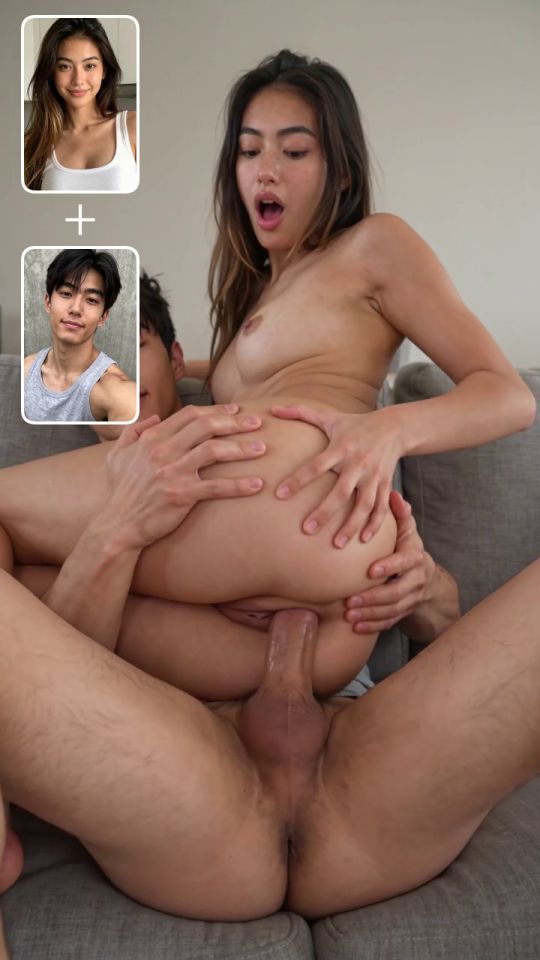 NEW 5s
⚡ Generate
Sideways Couch Fuck
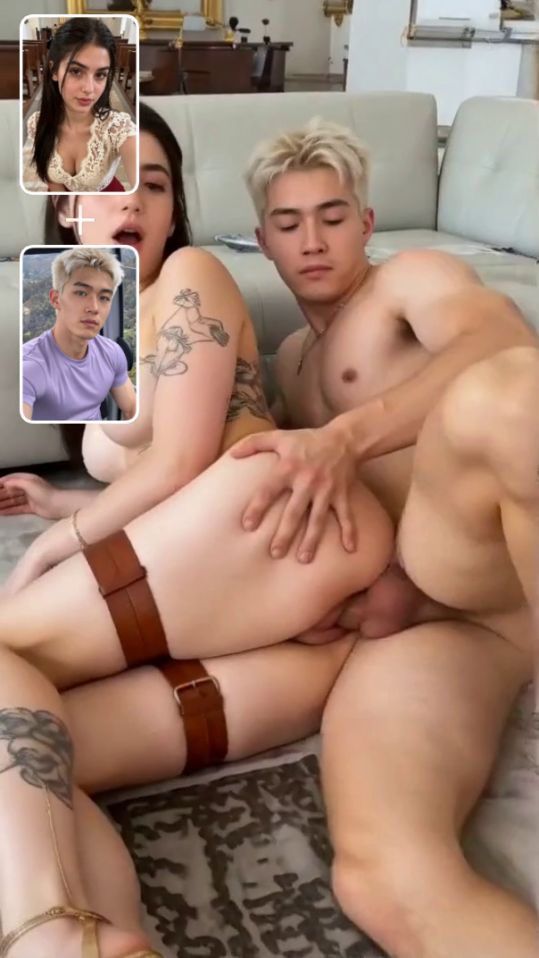 5s
⚡ Generate
Spooning Fuck
 5s
⚡ Generate
Extend Clip Tease
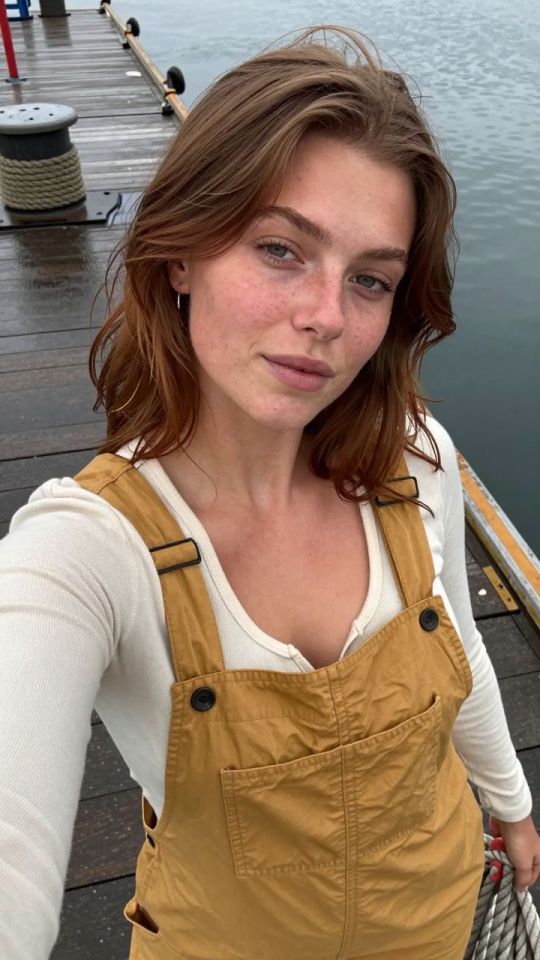
 NEW IMAGE
⚡ Generate
Legs Spread, Drenched in Cum
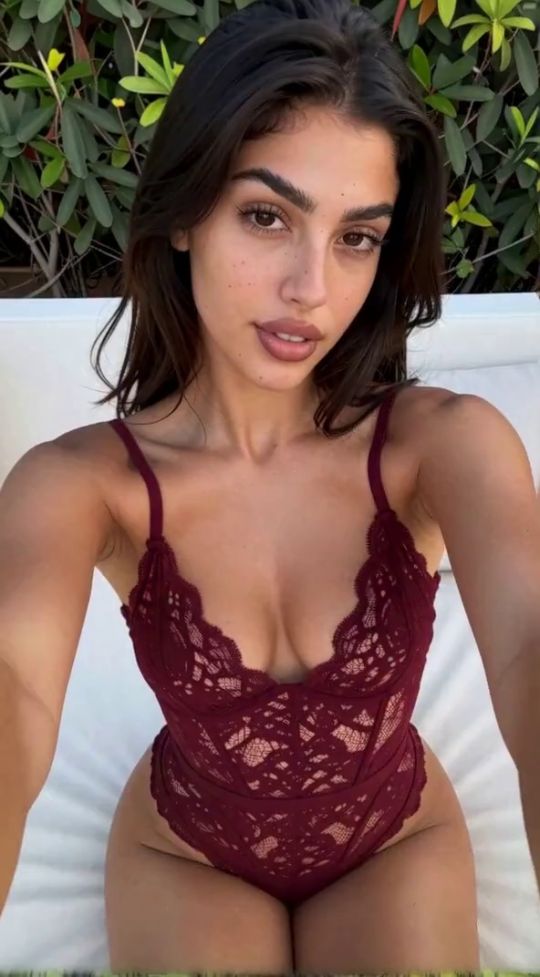
 5s
⚡ Generate
Fucked Against the Wall
 NEW IMAGE
⚡ Generate
Close Feet & Pussy (2K)
The front department
Image generator: a scene, composed from a sentence
Describe the scene in words and this department composes it. The image generator is the front desk of DeepNude Studio: one or two sentences become a realistic adult image in seconds — no photograph required, no software, no sitting to arrange. It is also the studio’s most affordable department: a standard proof costs 6 credits, the correct instrument for testing an idea before it is published.
The same panel works from a photograph: send one in and the department re-shoots it under your instruction — a different setting, warmer light, another dress — while the sitter remains herself. Either way, the price is printed on the button before you approve, and a page that fails in printing refunds itself automatically.
Standard or premium: the proof and the published page
The 6-credit standard image is responsible for composition: pose, framing, the weather of the scene. Treat it as the proof — its cheapness is an editorial method in itself, because three or four proofs cost less than one premium page and establish which version of the scene deserves publishing. The 41-credit premium page engages the larger model: skin gains texture, hands resolve cleanly, the background holds its perspective, and small things — lace, jewelry, reflections — appear at all. The house rule is simple: explore as proofs, publish as premium.
When the story needs a real photograph
The 49-credit re-shoot is for pages that must begin from a particular sitter: yourself, a fixed heroine, or a photograph whose pose is already right. Describe only what changes — the setting, the dress, the light. Everything you leave unmentioned, the department preserves with care. It is the shortest distance between “I have this photograph” and “I want her in this feature”.
How a fixed heroine is kept
Most of our readers publish serials, not singles: the same heroine in different places and predicaments. Two methods keep her recognizable. The first is the re-shoot: one approved portrait becomes the anchor and every new feature is composed upon it. The second is consistency of description: the same features written into every brief — age, hair, build, one distinguishing mark — until the engine recognizes the character from page to page as a reader would.
Mistakes the editors keep returning
The first is a brief of adjectives with no place and no action: the engine has nothing to compose and assembles a generic page. The second is contradiction within one wish — a close-up and a full-length portrait demanded in the same sentence. The third is crowding: dress, place, pose, light and props settle best when introduced gradually, pose and place first. This department rewards patience, and a standard proof costs 6 credits — trying is cheaper than theorizing.
Light is the lead actor of your brief
If one habit leaves this page with you, let it be this: name the light. “Morning light from a window on the left”, “neon behind her”, “candlelight on the table and dusk around it” — such a sentence does more for the page than three adjectives about beauty. Light builds the mood, lifts the figure from the background, and tells the engine which textures matter. Photographers say they photograph the light upon a person, not the person; this desk was built on the same conviction. Begin your next brief at the light source and compare the proof with the last one: the difference is immediate, and it costs nothing.
What this department does
Composition from nothing
A complete scene from words alone, no photograph required: portraits, two-figure compositions, full interior scenes, exactly as briefed.
The re-shoot
Send a photograph and ask for the setting, the light or the dress to change. The sitter remains herself while the world around her is recomposed.
Two finishes
Proofs in standard, publication in premium. The same scene can be born cheaply and reprinted at full finish once the composition is approved.
Clean pages
Results arrive clean: no watermark, no visible colophon, ready to download and use again.
Four steps to the first page
-
Describe the scene
A short, concrete brief: who, wearing what, where, in which light. Avoid processions of adjectives with no scene among them.
-
Choose the finish
Standard for proofs, premium for publishing. The button prints the price before you approve.
-
Approve and wait seconds
The commission enters the queue; the result appears in the panel, already filed in your private archive.
-
Download, or continue the story
Take the page without a watermark, enlarge it, or let it open a moving picture.
The brief is a craft, and it compounds
Every regular reader keeps a notebook of briefs that worked — not from superstition, but because the engine is consistent: the same words reliably produce the same family of pages. A brief that yielded a keeper is capital. Record it, and the next feature in the serial begins from a proven foundation rather than a blank sheet.
The anatomy of a proven brief is plain: sitter and age, hair and build, dress, place, one action, the light. Seven decisions, in roughly that order. What beginners add — processions of superlatives, three locations, a change of costume mid-scene — the engine must average, and averages are where pages go to be forgotten. Write the brief you could hand to an illustrator without embarrassment, and the result reads like a photograph.
One more habit separates regulars from visitors: they change a single element between versions. The same scene, another light. The same light, another dress. At 6 credits a standard proof, a reader can afford to be methodical — and a month of that discipline teaches more about the engine than any guide, this one included.
Prices, printed in the open
What it costs to compose images here
| Mode | Credits | When to choose it |
|---|---|---|
| Standard proof | 6 | Drafts, composition studies, testing an idea |
| Premium page | 41 | The published version: skin, hands and detail at full finish |
| Photograph re-shoot | 49 | Your photograph composed into a different feature |
Rates checked in November 2026: no subscription, every pack bought once, spend at your own pace. The cost of the finish you chose is printed on the Generate button before you approve, and pages that fail in printing are refunded automatically.
Privacy in this department
A photograph sent for a re-shoot serves that single composition and is destroyed immediately after. Images you compose rest privately in your archive — visible to you alone, never published or exhibited without your decision. This department treats adult material with a publisher’s discretion: it does not stamp your pages, build exhibitions from your work, or reuse your material inside another reader’s feature.
Questions and answers
Letters from our readers
What truly separates a proof from a premium page?
The proof is quick and inexpensive: it exists for choosing compositions. Premium engages the stronger model: skin texture, clean hands, a consistent background and small details are visibly better finished.
Can I compose without a photograph?
Yes — that is this page’s principal mode. The re-shoot is optional, for stories that must begin from one particular photograph.
Do pages carry a watermark?
None. Finished pages arrive clean and ready to download.
How many pages does the entry pack compose?
The 1,000-credit pack composes more than 160 standard proofs, about 24 premium pages, or any mixture you decide upon.
Can a page become a moving picture?
Yes. File the frame and send it to the video department, or set it in motion with a layout whose direction is already settled.
What if the page is not the one I pictured?
Revise one element of the brief and proof it again: in standard mode a new attempt costs 6 credits. Printing failures are refunded automatically; editorial differences are not.
Who reads my briefs?
No one. Briefs and results rest inside your private account; the only pieces that reach the gallery wall are those you deliberately publish.
What will this department never compose?
Scenes involving minors, real people without consent, or unlawful material. Such briefs are refused and offending accounts are closed.
Your next page is one sentence away
Open the panel above, brief the scene as you would brief an illustrator, and read the first proof within seconds: a 6-credit risk is smaller than your curiosity.