Skip the prompt — start from a template
Choose the layout, send the photograph, and the settled art direction does the rest. One photograph, a finished page.
You used to write prompts by hand. Templates skip all of that — pick a card below, upload your photo and get the same scene in one click.
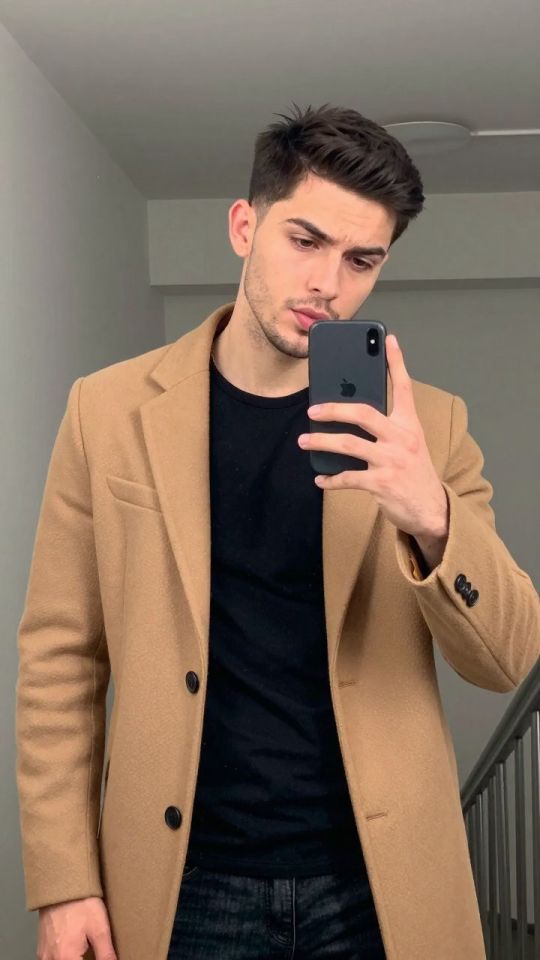
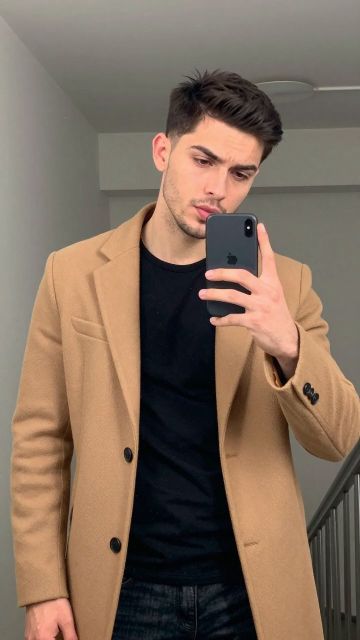 IMAGE
⚡ Generate
You wanna suck my cock?
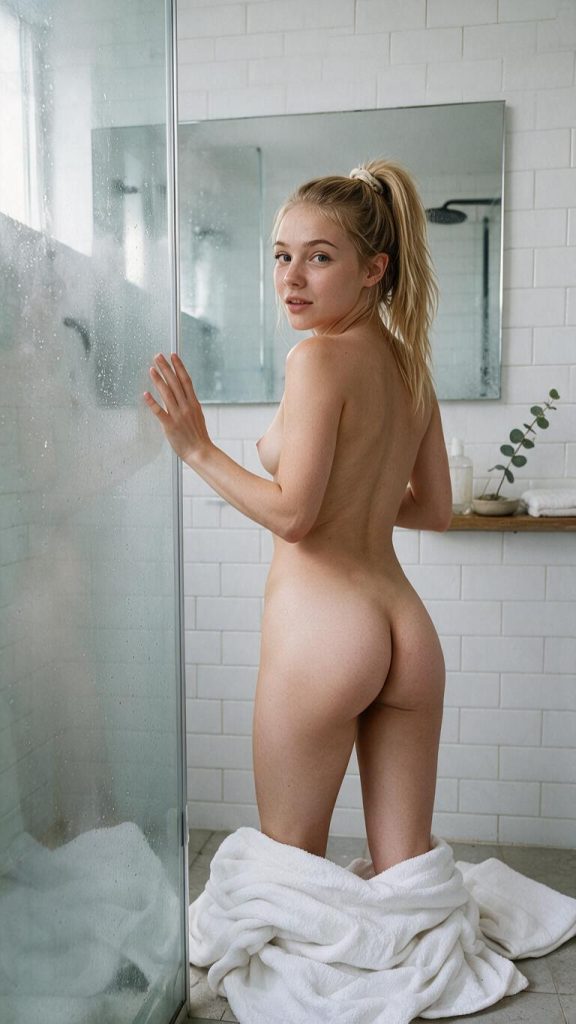
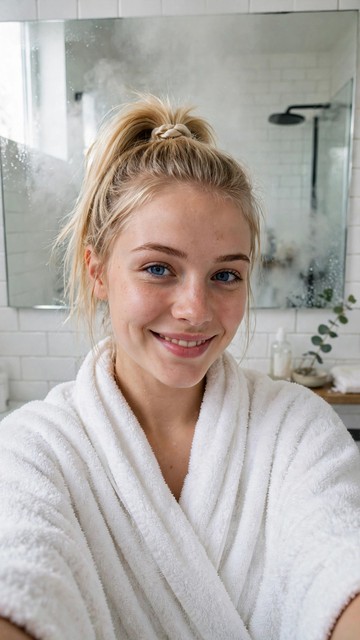 NEW IMAGE
⚡ Generate
Hidden Cam in the Bathroom
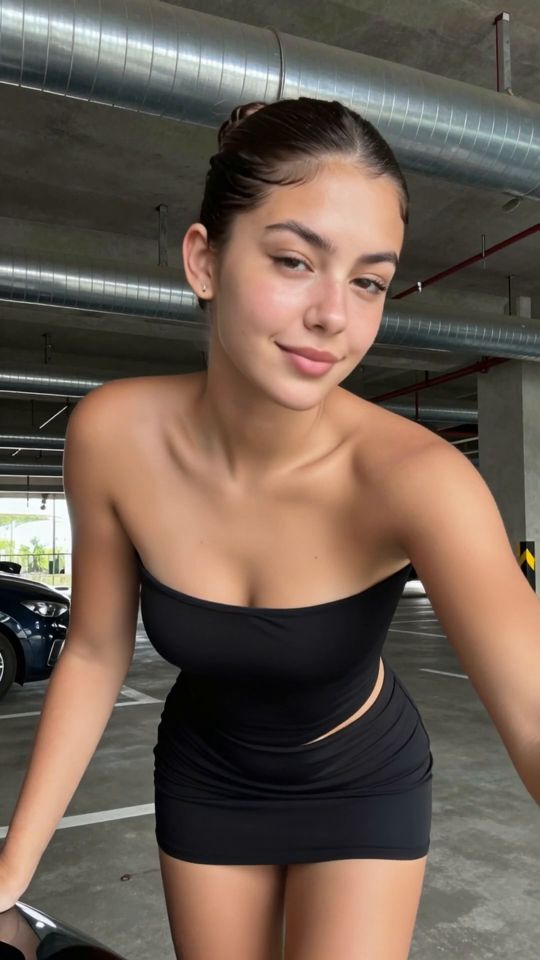
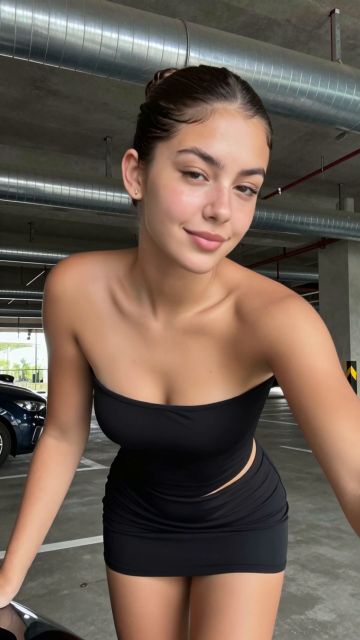 5s
⚡ Generate
Legs Up Fuck
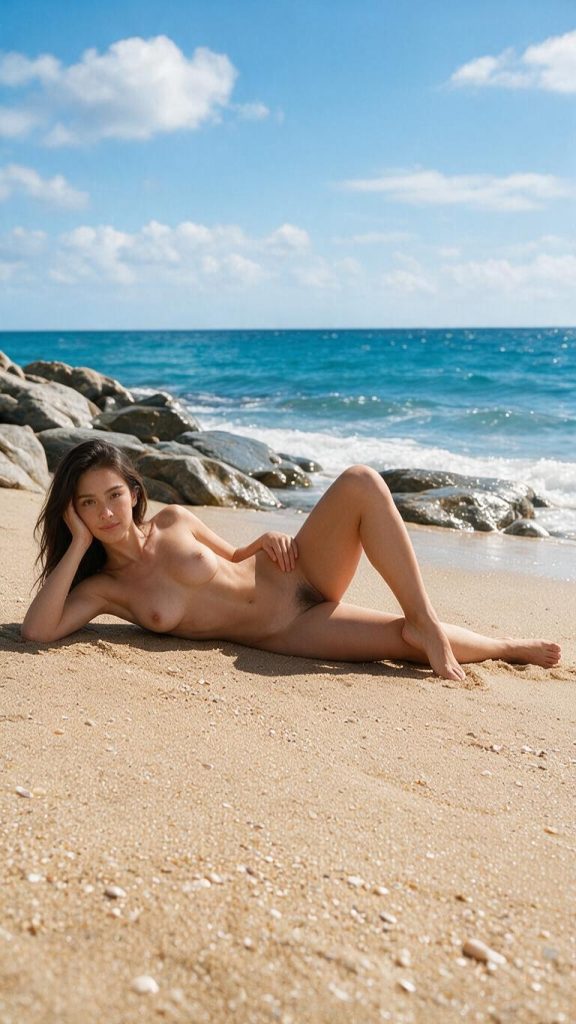
 NEW IMAGE
⚡ Generate
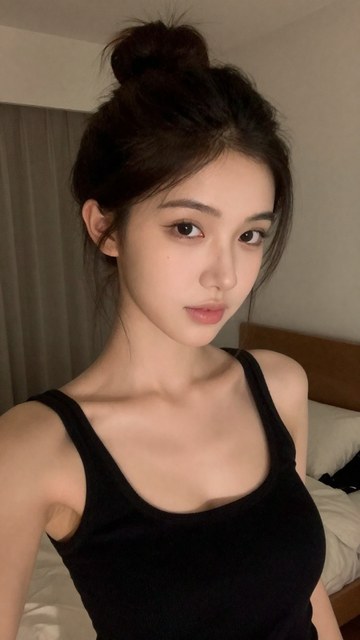
Side-Lying Seduction
 NEW IMAGE
⚡ Generate
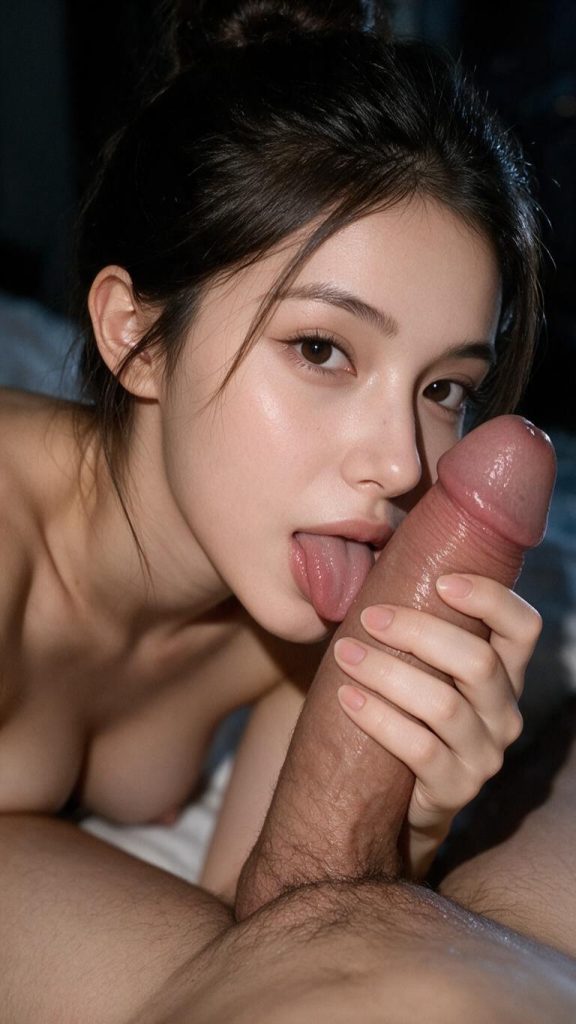
Close-Up Blowjob

 NEW IMAGE
⚡ Generate
Jungle Stream Sex
 NEW 5s
⚡ Generate
Prone, He Fucks Her
 NEW IMAGE
⚡ Generate
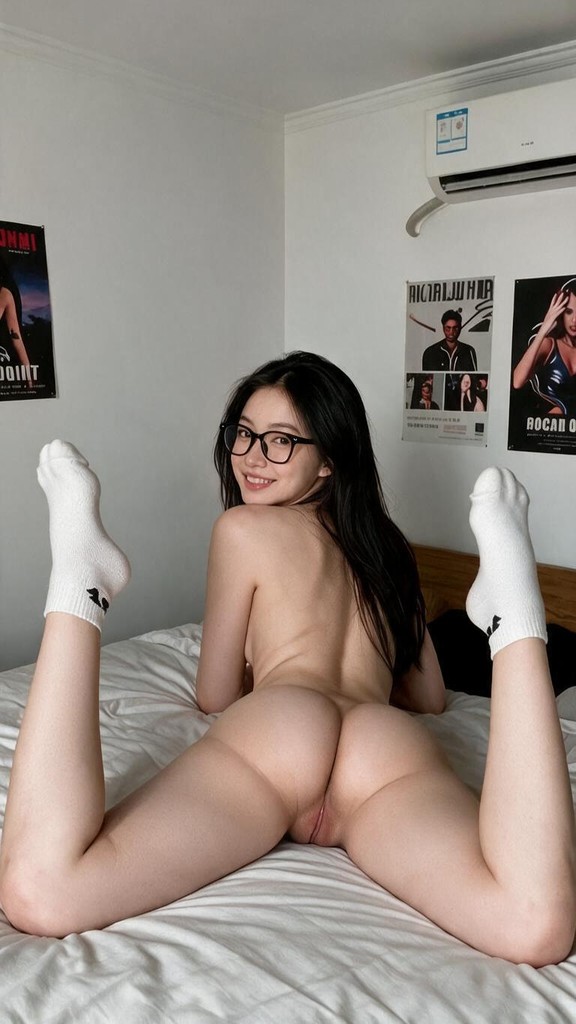
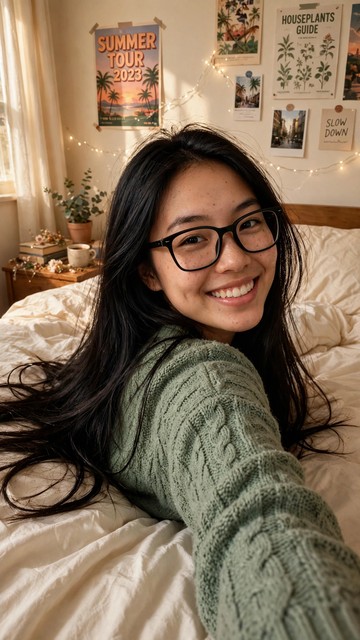
Looks Back, Ass Up
 NEW IMAGE
⚡ Generate
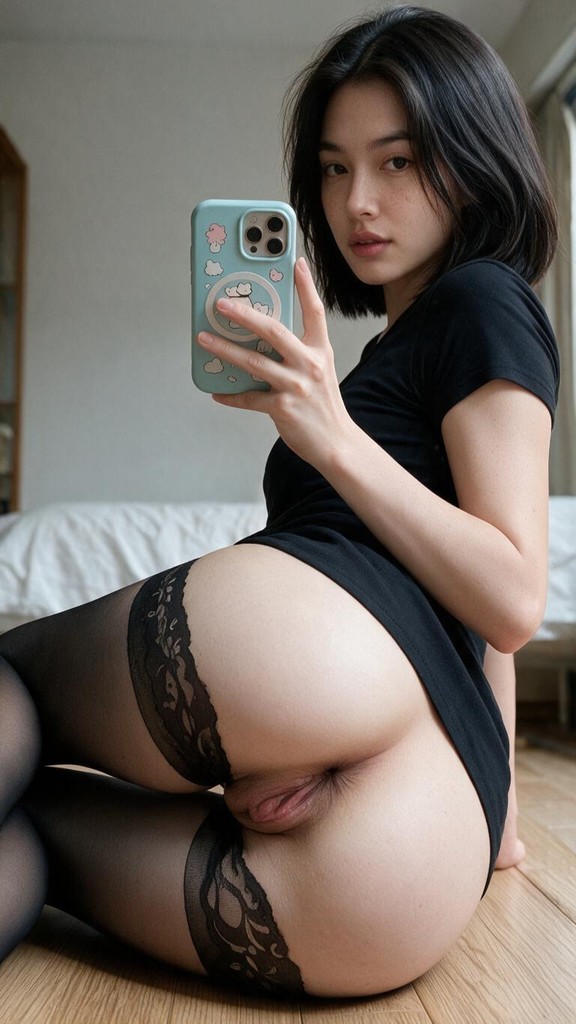
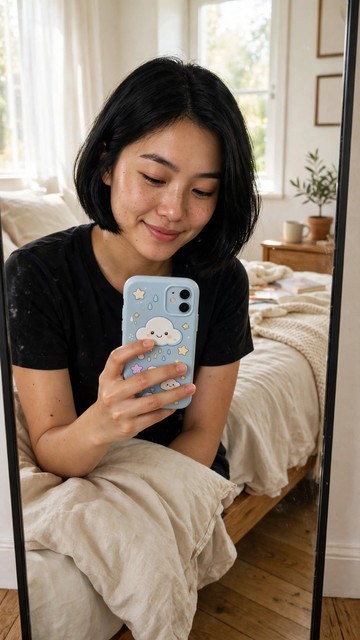
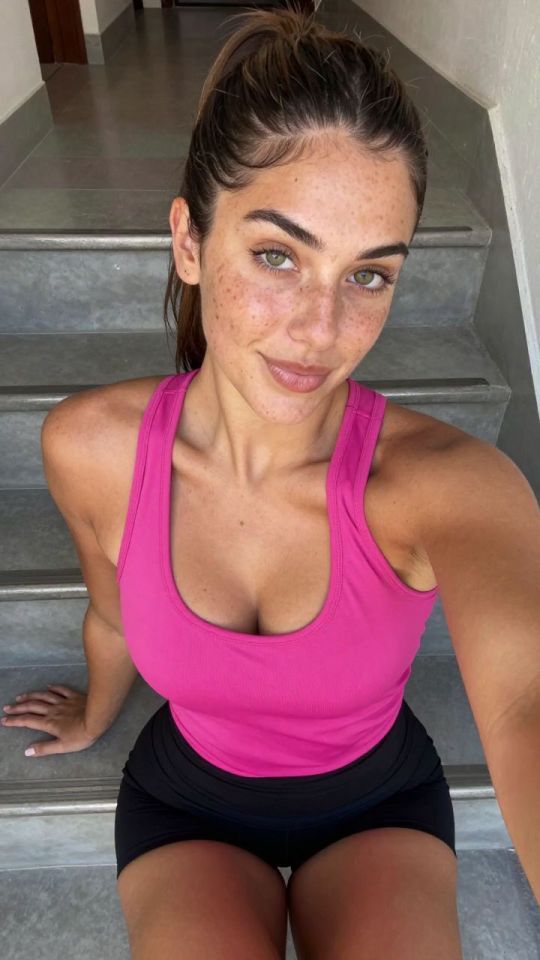
She Poses for Selfie
 IMAGE
⚡ Generate
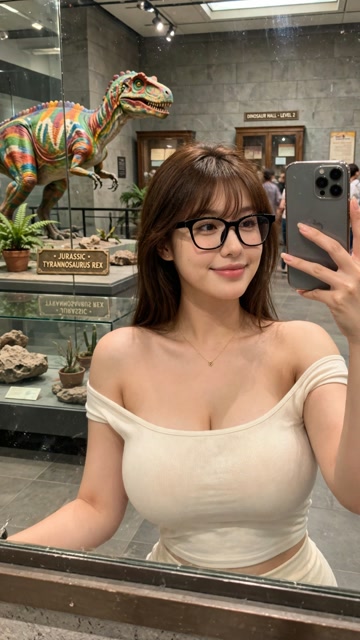
She Shows Her Tits
 NEW IMAGE
⚡ Generate
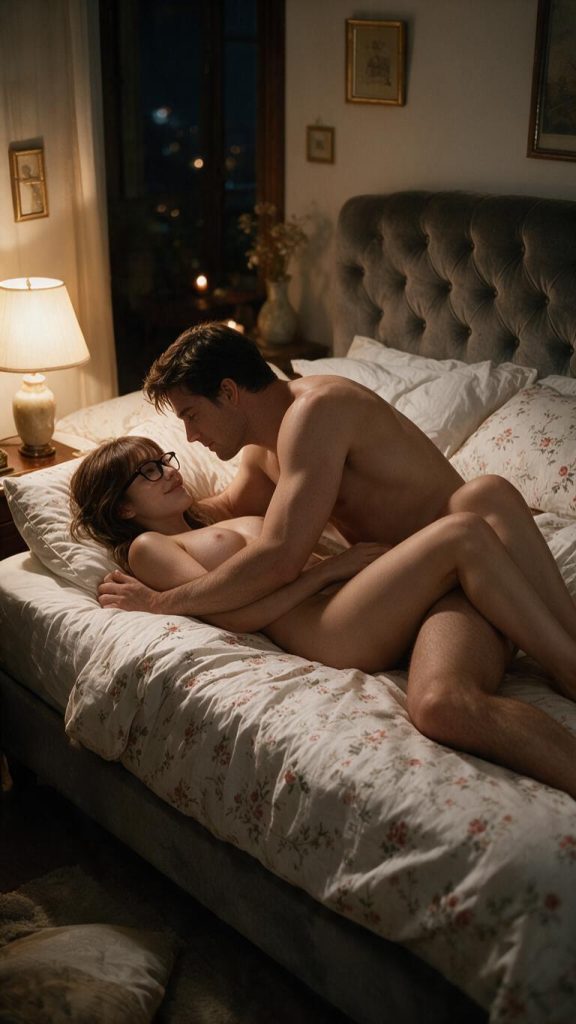
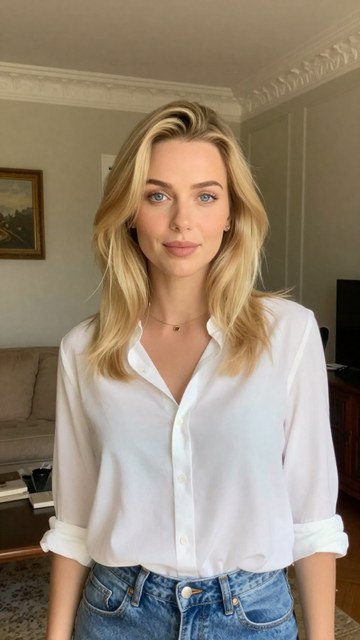
Romantic Missionary with My Girl
 NEW IMAGE
⚡ Generate
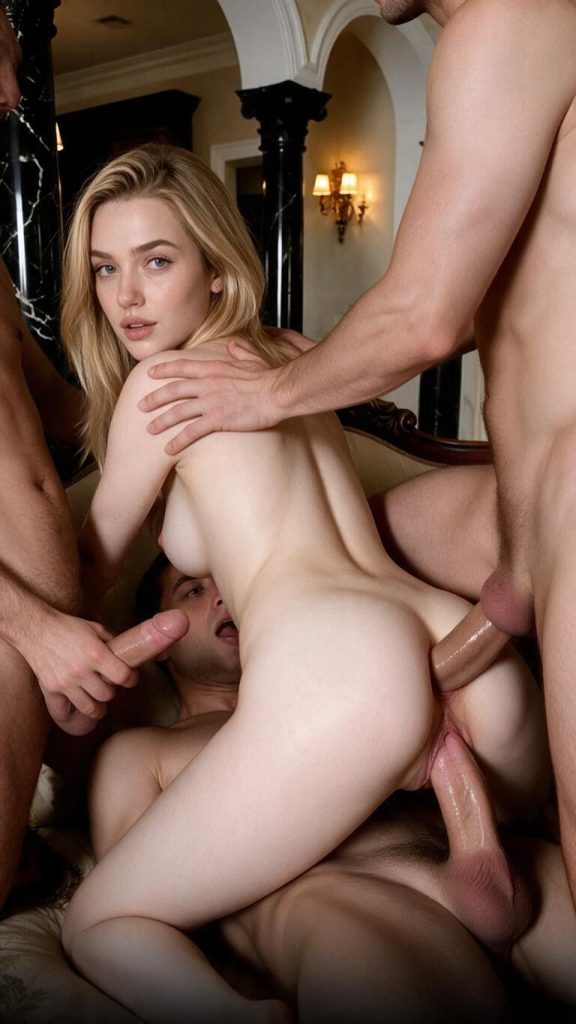
Two Cocks, One Girl
The private department
AI Undress: your photograph, undressed in private
Send one clothed photograph and this department removes the clothing, recomposing the body beneath it faithfully. It is the most private desk in the studio: the photograph serves a single printing, is destroyed immediately after, and the result is visible to nobody but you. A woman’s photograph costs 21 credits; a man’s, 49.
There is nothing to write and almost nothing to set. The panel reads the pose, the light and the proportions of your photograph and reconstructs what the clothes covered, keeping the sitter, the setting and the framing exactly as they were.
Why two prices: women’s and men’s photographs
The two prices answer to two different engines. Women’s photographs run on the editing model tuned for the female body, at 21 credits. Men’s photographs are routed to a dedicated engine at 49, because the general model handles male anatomy unreliably — the dedicated route costs more and renders the anatomy correctly. The panel detects nothing by itself: you declare the subject with the selector, and the price on the button follows your declaration before anything is charged.
The photographs that undress best
The engine reconstructs what clothing hides, so it reads the body through the clothes: fitted garments in clear light give it the most to read. A full or three-quarter framing, an unforced pose, and a photograph without heavy filters or extreme angles produce the most convincing anatomy. Loose, dark or heavily patterned clothing obliges more guessing; the result can still succeed, but the margin for strange proportions widens. One honest photograph outperforms a retouched one at this desk.
What stays, what changes
Everything but the clothing stays where it was: face, hair, pose, room and light all survive the unmaking. That is the definition of the tool — an edition of your photograph, not a new portrait of a stranger. If you want a different setting around the same sitter, the editor or the re-shoot is the right department; if you want the same scene with the clothes gone, you are at the right desk.
Trying it on an example first
Every department here offers example photographs so the effect can be studied before your own material is committed. Run an example through this panel once: you will see the framing it expects, the finish it returns, and the exact order of events — price first, charge second. When the example persuades you, your own photograph follows the same path.
What this department does
A single-action edition
No brief, no settings to tune: send, declare, approve. The desk performs the rest.
Two engines
A tuned route for women’s photographs at 21 credits, a dedicated route for male anatomy at 49.
Everything else preserved
Face, hair, pose, room and light remain exactly as your photograph had them.
Uploads destroyed
The source photograph is destroyed after the printing, by design, every time.
Four steps to an undressed photograph
-
Send one photograph
A clear, well-lit, clothed photograph — yours, or one you hold the right to edit.
-
Declare the subject
Woman or man: the selector chooses the engine and sets the price, 21 or 49 credits.
-
Approve the price
The button prints the exact cost before anything is printed. A failure is never charged.
-
File the result
The undressed photograph rests in your private archive; the original upload is already destroyed.
Reading the result like a picture editor
When your first undressed photograph returns, judge it as a picture editor would: at full size, in three passes. First, the outline: are the proportions the garments promised still there once the garments are gone? Then the joins — shoulder to arm, neck to chest — where the reconstruction has to work hardest of all. Then the light: the recomposed skin should carry the same light as the face and the room, and in a good printing it does.
When a pass disappoints, look first to information: the original clothing concealed more than any engine could honestly infer. A second photograph of the same sitter in fitted clothing is not a workaround; it is the professional method — and the desk is priced at 21 credits precisely so that a second attempt is a shrug, not a grievance.
A word on keeping: the result is a synthetic reconstruction, an artist’s impression of what the clothing covered, not a photograph of a fact. Keep it with the same discretion you would want for your own material — it rests in your private archive unless you decide otherwise.
The department’s notebook: three sittings, honestly reported
First sitting: a reader sent a bright beach photograph — hard noon light, deep shadow under the parasol, a patterned dress. The unmaking held the light exactly: the same hard highlights, the same shadow geometry, the pattern’s absence where the cloth had been. It read as a photograph because the light never changed its story. The lesson the desk repeats from this sitting: noon photographs unmake as honestly as studio ones, provided the resolution is honest too.
Second sitting: a low, warm interior, lamplight from the left, a plain dress against a dark wall. Here the desk’s estimate work showed: the lamplight’s fall across the figure had to be continued across the unmade passages at the same gradient, or the page would have read as two photographs joined. It held. Warm interiors are this department’s home ground — most of the studio’s example pages began in exactly such light.
Third sitting, reported because it failed: a small, twice-compressed photograph, heavy grain, the figure at the frame’s edge. The unmaking invented more than it revealed, and the page read as an illustration. The desk’s verdict, printed on the return: send the original. Failure at this desk is almost never the engine’s imagination — it is the source asking the engine to guess. Give the desk a page with something to read, and it reads.
Prices, printed in the open
What it costs to undress a photograph
| Mode | Credits | When to choose it |
|---|---|---|
| Woman’s photograph | 21 | The tuned route for women’s photographs |
| Man’s photograph | 49 | The dedicated engine for male anatomy |
Rates checked in November 2026: no subscription, every pack bought once. The price follows the subject you declare and is printed before you approve; printings that fail are refunded automatically.
Privacy in this department
This department is built around a single undertaking: your photograph exists here for exactly one printing. It arrives over an encrypted connection, is processed, and is destroyed; the result is kept only in your private archive, under your account, invisible to every other reader. Nothing is published, exhibited or reused, and the studio keeps no gallery of what you undress.
Questions and answers
Letters from our readers
Is my photograph kept anywhere?
Nowhere. The upload serves one printing and is destroyed immediately after; the result rests privately in your archive.
Why does a man’s photograph cost more?
It is printed by a different engine that renders male anatomy correctly. The selector you choose sets the route and the price.
May I undress any photograph?
Adult photographs only, and only material that is yours or that you hold the right to edit. Images of minors, or of real people without consent, are refused and reported.
What quality undresses best?
Fitted clothing, clear light, full or three-quarter framing. The engine reads the body through the clothes, so give it something to read.
Does the face change?
No. Face, pose, setting and light are preserved; only the clothing is removed and the body recomposed.
What if the printing fails?
The credits return automatically. You are only ever charged for a finished page.
One photograph, one private minute
Run an example through the panel above to study the effect, then decide about your own photograph — the upload is destroyed either way.